
How Do You Choose Between Temporary and Permanent Erosion Control Solutions?
Soil loss can damage building sites, wash away topsoil, and affect nearby roads and drainage systems. Choosing the right erosion control method helps keep soil in place and protects the work area. For property owners and contractors seeking erosion control in Warner Robins, GA, the first step is to understand how temporary and permanent solutions differ. Each option serves a clear purpose, and the best choice depends on site conditions, project length, slope, and water flow. A good plan also helps control loose soil during construction and reduces the risk of sediment entering nearby drains, ditches, and waterways.
What Sets Temporary and Permanent Controls Apart?
Temporary erosion control protects exposed soil during construction or other short-term work. It limits soil movement until the site is ready for its next stage. Common options include silt fences, straw wattles, erosion control blankets, and temporary ground cover. These tools help slow runoff and catch loose soil before it moves beyond the work area. Workers may need to move, repair, or remove them as the project changes.
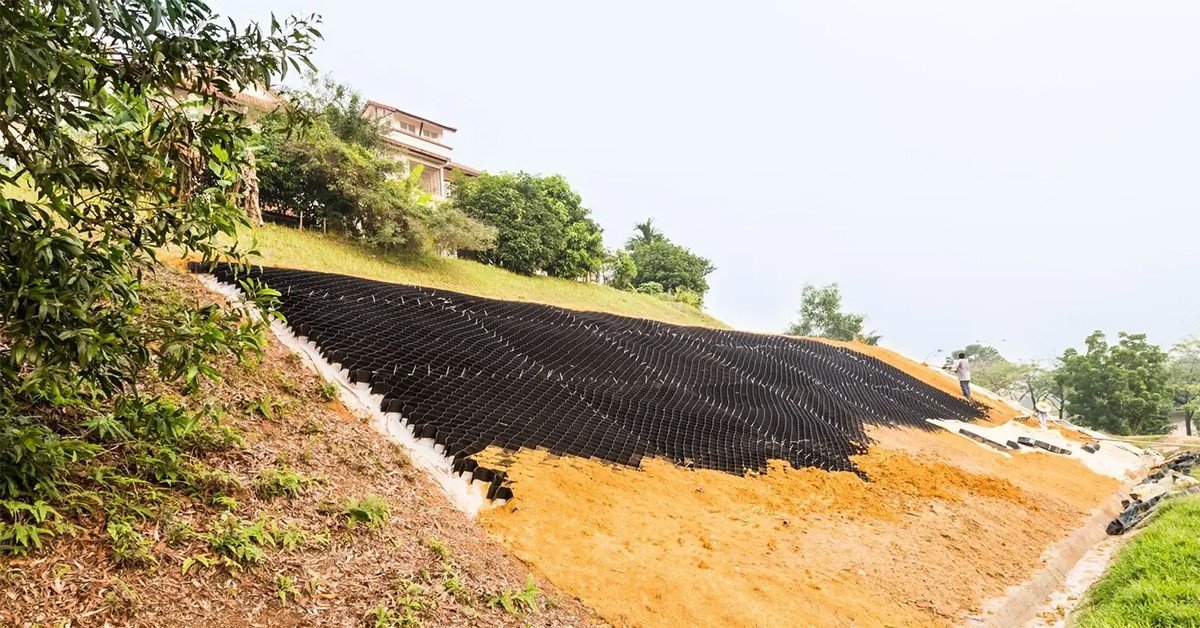
Permanent erosion control provides lasting soil protection after construction or site work ends. It can include grass cover, deep-rooted plants, stone lining, retaining structures, and permanent drainage features. These methods help hold soil in place and guide water along a planned path. The main difference is how long each system is meant to work. Temporary controls manage short-term risks, while permanent measures protect the finished site over time.
Match the Method to Your Project Stage
Temporary measures are useful during grading, excavation, and foundation work. Bare soil can move easily during heavy rain, so barriers and covers help reduce runoff and sediment loss. These controls also help keep soil from entering nearby drains. For example, a silt fence can catch soil carried by water along the edge of a work area. An erosion control blanket can cover a bare slope and help keep the soil from washing away.
Permanent systems suit areas that need long-term protection. Slopes, drainage channels, and finished landscapes often need stable ground cover or built features. The right method depends on the soil, slope angle, water speed, and planned land use. Some sites need both options. Temporary controls can protect exposed ground during construction, while permanent measures provide lasting stability after the work is complete. Planning this change early helps workers know which controls must stay in place as the site develops.
Check These Four Site Conditions First
Before selecting an erosion control system, review the main factors that affect soil movement.
- Soil type: Loose or sandy soil can move easily under flowing water. Clay soil can also cause problems if water cannot drain well. Knowing the soil type helps contractors choose a method that suits the ground.
- Slope and ground shape: Steep slopes can speed up runoff. They may need stronger covers, barriers, or structural support. A careful site check helps show where soil is most likely to move.
- Water flow: Look at how rainwater moves across the site. Drainage channels and outlets may need protection to prevent soil loss. Water should follow a safe path instead of cutting through bare soil.
- Project timeline: A site under active construction may need temporary controls first. Finished areas may need permanent cover or built measures. The plan should match each stage of the work.
These checks help contractors select suitable methods instead of relying on a single solution for every site. They also help identify weak spots before work begins.
Know the Limits of Each Solution
Temporary controls need regular checks. A damaged silt fence, loose blanket, or blocked barrier can lose its value. Remove trapped sediment as needed, repair damaged sections, and keep drainage paths clear. Checks are useful after heavy rain because fast water can move barriers or expose bare soil. Fixing small problems early can help prevent larger areas from washing away.
Permanent systems also need care. Grass may fail to grow in poor soil, stone can shift under strong water flow, and drainage features can clog. Inspect the site after heavy rain and fix weak areas early. Neither option works well without proper installation. A control system must suit the ground and the amount of runoff it will face. Local permit rules may also set specific requirements for construction site erosion and sediment control.
Should You Use One System or Both?
For many projects, a combined plan works best. Temporary measures protect the site during active work. Permanent measures take over in areas that have reached their final grade and are ready for lasting protection. For example, a contractor may use silt fences during grading, then add grass or stone cover after the slope has been shaped.
The transition should follow the approved site plan and local requirements. Do not remove temporary barriers simply because construction is nearly complete. First, confirm that the ground is stable and that permanent controls are working as intended. Keeping the right measures in place during this change helps limit soil loss and protects nearby areas from runoff.
Closing Thoughts:
At White Farms LLC, our team can help property owners and contractors assess site needs and plan suitable erosion control work. For projects needing erosion control in Johnson County, GA, we can discuss soil conditions, slope, runoff, and the right mix of temporary and permanent measures. The right plan depends on the site, the work being done, and how water moves across the land. Contact White Farms LLC to discuss your project and plan the next steps toward stable, well-protected land.
FAQs:
- What is the difference between temporary and permanent erosion control?
Temporary erosion control protects exposed soil during construction. Permanent erosion control provides lasting protection through vegetation, stone lining, retaining structures, and drainage systems.
- Which temporary erosion control methods work best on construction sites?
Silt fences, straw wattles, erosion control blankets, and temporary ground cover help control runoff and catch loose soil during construction activities.
- How do you choose the right erosion control method?
Consider soil type, slope, water flow, project duration, and site conditions. White Farms LLC can help assess these factors and plan suitable measures.
- Do permanent erosion control systems require regular maintenance?
Yes, regular checks help keep permanent systems effective. Inspect grass cover, stone lining, and drainage features after heavy rain, then repair damaged areas promptly.
- Can a construction project use both temporary and permanent erosion control?
Yes, many projects use temporary controls during construction and permanent measures after grading. This approach helps protect exposed soil throughout each stage of work.