
Can Residential Excavation Improve the Grade Around an Existing Home?
Summary: Residential excavation can improve the grade around an existing home by correcting slopes, low spots, and poor water flow. The blog covers signs of grading problems, why adding dirt may not solve them, safe digging near foundations, soil placement, equipment, drainage paths, and site checks. It also explains how White Farms LLC helps property owners plan grading and excavation work.
Yes, residential excavation can help fix the slope around an existing home. It can help move water away from the house, fill low areas, and remove high spots that affect the yard. A residential excavation contractor can study the ground, check the current slope, and move soil to create a better grade. The goal is not to make the whole yard flat. The goal is to give water a clear path away from the home while keeping the ground firm and safe. A good grade should work with the shape of the property. It should also fit the home, driveway, yard, and other areas around it. This makes grading more than a simple soil moving job. The right plan looks at how the whole site works together.
Is Your Yard Quietly Sending Water Toward Your Home?
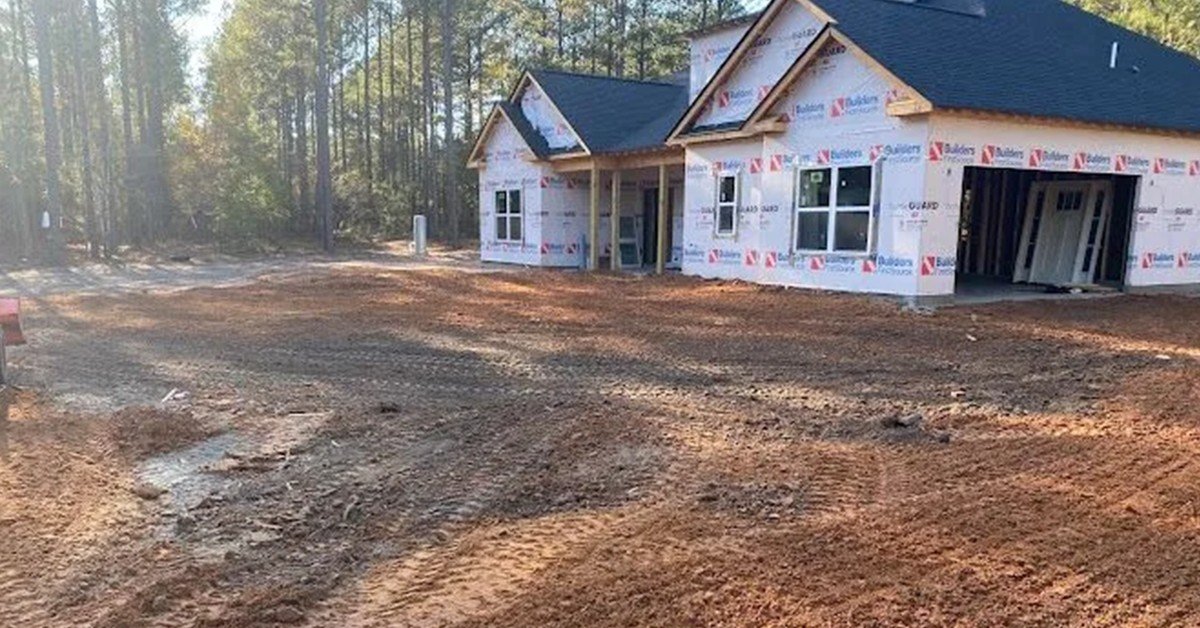
A yard can have a grading problem even if it looks fine at first. Water may stay in the same low spot after rain. Soil may wash away near the house. A small dip may slowly become a larger hole. You may also see wet ground near the foundation or water moving toward the house instead of away from it. These signs can show that the ground level needs to be changed.
Another sign is water that stays close to steps, patios, or driveways. A downspout may also send water into a low part of the yard. These small problems can point to a larger grading issue. A site check can show where the water starts, where it moves, and where it stops.
Why Adding Dirt May Not Fix the Real Problem
Adding dirt to a low area sounds simple, but it may not solve the cause of the problem. New soil can settle. It can also block a path that water already uses. Water may then find a new path and collect somewhere else. Excavation gives the contractor a way to reshape the ground. High areas can be lowered, low areas can be raised with proper fill, and the surface can be shaped so water moves in the right direction.
The type of fill also matters. Soil should suit the planned use of the area and should be placed in a proper way. Loose soil can settle over time and leave the surface uneven again. Good grading starts with knowing what soil is already on the property and what the new grade needs.
An Existing Home Needs Careful Digging
Grading near an existing house is different from grading an empty lot. The home, foundation, driveway, steps, pipes, wires, septic system, and other features may already be close to the work area. A contractor must know what is below and around the soil before digging. Too much soil removal near a foundation can affect the ground that supports the home. Careful planning helps the crew change the grade without causing new problems.
Machine access is also part of the plan. Large equipment may not fit through every gate or around every part of a home. The crew needs a clear work area and a plan for moving soil without harming nearby features. This helps keep the work controlled from the first cut to the final grade.
What Happens to the Soil During Grading?
The basic work is simple. Soil that is too high can be removed. Soil that is needed in a low area can be brought in or moved from another part of the property. The fill is then spread in layers and pressed down firmly. This helps reduce later settling. The final ground level is checked against the planned grade. This matters because even a small change in slope can affect the path of surface water.
The crew may use excavators, skid steers, loaders, or other machines based on the size and layout of the property. The equipment is selected to match the work area. After the main earthwork is done, the surface can be shaped for its next use, such as a lawn, driveway, walkway, or building area.
Can Better Grading Improve More Than Drainage?
Yes. A good grade can make the yard easier to use and can support other property work. It may help create a better base for a driveway, walkway, lawn, patio, or future building area. Some properties may also need a shallow channel called a swale to guide water across the land. The right choice depends on the shape of the property, soil, water flow, and nearby structures.
Good grading can also make future site work easier. A clear plan for ground levels can reduce trouble during driveway work, yard changes, or new construction. Each part of the property should have a clear purpose and a suitable ground level.
What Should a Contractor Check Before Moving Soil?
The first step is to look at the whole site. The contractor can check high and low areas, the slope near the house, existing drainage paths, soil conditions, access for machines, and nearby structures. This gives the crew a clear plan before excavation starts. A good plan also helps avoid moving more soil than the project needs.
The contractor should also understand where water needs to go after the work is finished. Moving soil without a clear drainage plan can shift the problem to another part of the property. A careful site review helps connect the new grade with the areas around it.
Closing Note:
White Farms LLC works with property owners who need practical excavation and grading work around existing homes. Our team looks at the current ground, drainage path, access, and planned use of the property before work begins. We provide residential excavation services for grading, site preparation, land clearing, trenching, and other earthwork needs. Our land development excavation services can also help prepare larger areas for planned property work.
If water collects near your home or your yard has an uneven slope, contact White Farms LLC. We can review the site and help you choose the right excavation and grading solution.
Why does water collect near my house?
Poor grading may direct water toward your foundation. Your contractor can check the slope and find a better path for surface water.
Is adding dirt enough to fix a low yard?
Not always. Your new soil may settle or block water flow. Proper excavation can address the cause and create a lasting grade.
Can excavation be done close to a foundation?
Yes, but it requires careful planning. Your contractor should check foundation depth, nearby utilities, soil, and access before digging close to your home.
How can proper grading help my property?
Proper grading can improve drainage and create better ground for your driveway, lawn, walkway, patio, or future construction project.